The House on Mango Street Summary
Sandra Cisneros • Novel, Bildungsroman, Fiction
The House on Mango Street by Sandra Cisneros Summary: Book Characters and Analysis
Sandra Cisneros's The House on Mango Street is a lyrical coming-of-age novel composed of interconnected vignettes and short stories. The book follows Esperanza, a Mexican American girl, as she navigates life in a Hispanic quarter of Chicago. Structured as a series of short stories, each vignette offers insight into different aspects of Esperanza's experiences and her community. Sandra Cisneros published the novel in 1984.
Mango Street tells the story of Esperanza's journey toward self-discovery, highlighting themes of identity, gender, culture, and belonging through her unique perspective growing up in a Latino neighborhood.
Book Summary of The House on Mango Street
The novel follows Esperanza Cordero, a young girl living in a Latino neighborhood. Her family's poverty and the fact that her family moved frequently before settling on Mango Street shape her early experiences. Each short vignette captures moments from her childhood, reflecting her observations of family members, neighbors, and the limitations imposed on women in her male-dominated society.
Esperanza dreams of owning her own house—one that represents independence and creative freedom, contrasting with her family's current situation. She longs to leave Mango Street and escape Mango Street both emotionally and physically, seeking a better life. Despite her desire to escape, Esperanza vows to return and help her community after she leaves. Throughout the story, Esperanza finds her identity and shares her life experiences through writing poems and storytelling. She endures Esperanza's traumatic experiences, including encounters with boys, witnessing the struggles of older women, and facing the challenges of growing up as a woman in her neighborhood. Her experiences at school, her first job, and her relationships with friends, girls, and boys in the neighborhood all contribute to her coming-of-age journey. Her mother, father, parents, and other family members play significant roles in shaping her aspirations and understanding of home. Aunt Lupe, a beloved family member, inspires Esperanza's love for poetry and encourages her to write poems.
The novel also addresses the presence of domestic violence, abusive father figures, and controlling husbands in the community, as seen in the stories of Sally and Rosa Vargas. Lucy and Rachel, two sisters, are close friends of Esperanza, and Alicia is introduced as a hardworking Chicana girl balancing school and family responsibilities. Esperanza and her friends, including other Chicana girls, spend time jumping rope, trying on high heeled shoes, and navigating their journey toward becoming sexually mature women. Esperanza befriends and makes friends with many girls in the neighborhood, and these friendships, along with her observations of the lives of children and adults around her, deeply influence Esperanza's life.
The book ends with Esperanza recognizing her responsibility to return to her community through storytelling, even as she imagines a future beyond Mango Street.
Main Characters in The House on Mango Street
Esperanza Cordero
The narrator and protagonist, Esperanza, is a thoughtful, observant, and imaginative character whose journey from a young girl to a young woman is central to the story. Esperanza's life is marked by her growing awareness of her environment, her dreams of escaping Mango Street, and her development into a sexually mature individual. As Esperanza finds her own identity, she writes poems as a form of self-expression and a way to envision a better future. Through her storytelling, Esperanza shares her personal experiences, struggles, and aspirations, offering insight into her emotional and artistic growth.
Sally
A beautiful girl, Sally is a friend whose life reflects the dangers of constrained female roles. Her experiences are shaped by her abusive father and her early marriage to a husband, both of which limit her freedom and happiness. As a woman in a male-dominated society, Sally’s struggles highlight the challenges and oppression faced by many women in her community.
Nenny
Esperanza’s younger sister, who contrasts with Esperanza’s longing for escape.
Analysis of The House on Mango Street
Major Themes
- Identity and Self-Expression
- Gender and Power
- Male-Dominated Society: The novel explores how women and girls, including Esperanza and the Chicana girls of Mango Street, face oppression and limited independence due to the male-dominated society in which they live.
- Domestic Violence: Several families in the neighborhood experience domestic violence, highlighting the struggles and dangers faced by women and children in impoverished communities.
- Family's Poverty: Esperanza's family's poverty shapes her experiences and aspirations, influencing her desire for a better life and her understanding of the limitations imposed by her socio-economic status.
- Belonging and Home
- Escape Mango Street: A central theme is Esperanza's longing to escape Mango Street, both physically and emotionally, as she seeks personal growth and a future beyond the constraints of her environment.
- Older Women: The stories of older women in the neighborhood serve as cautionary tales for Esperanza, illustrating the consequences of being trapped by circumstance and societal expectations.
- Chicana Girls: The novel highlights the experiences of Chicana girls, focusing on their friendships, coming-of-age, and the challenges they face growing up in the barrio.
- Esperanza's Traumatic Experiences: Esperanza's traumatic experiences, including witnessing hardship, suffering loss, and enduring sexual assault, deeply affect her development and fuel her determination to change her life.
- Cultural Inheritance
Style and Structure
Cisneros uses poetic language, symbolism, and a fragmented structure composed of short stories and poems to reflect memory and emotional growth. Throughout the book, Esperanza writes poems as a form of self-expression, using her poetry to cope with her environment and imagine a better future.
Author Background
Sandra Cisneros, a Mexican American writer, draws heavily from her own experiences as a Latina navigating cultural boundaries. Sandra Cisneros published her first novel, "The House on Mango Street," which became a significant contribution to American literature and brought attention to the voices of Chicana girls. Her work often centers on the experiences of Chicana girls, exploring their friendships, challenges, and coming-of-age within Hispanic neighborhoods.
Impact and Legacy
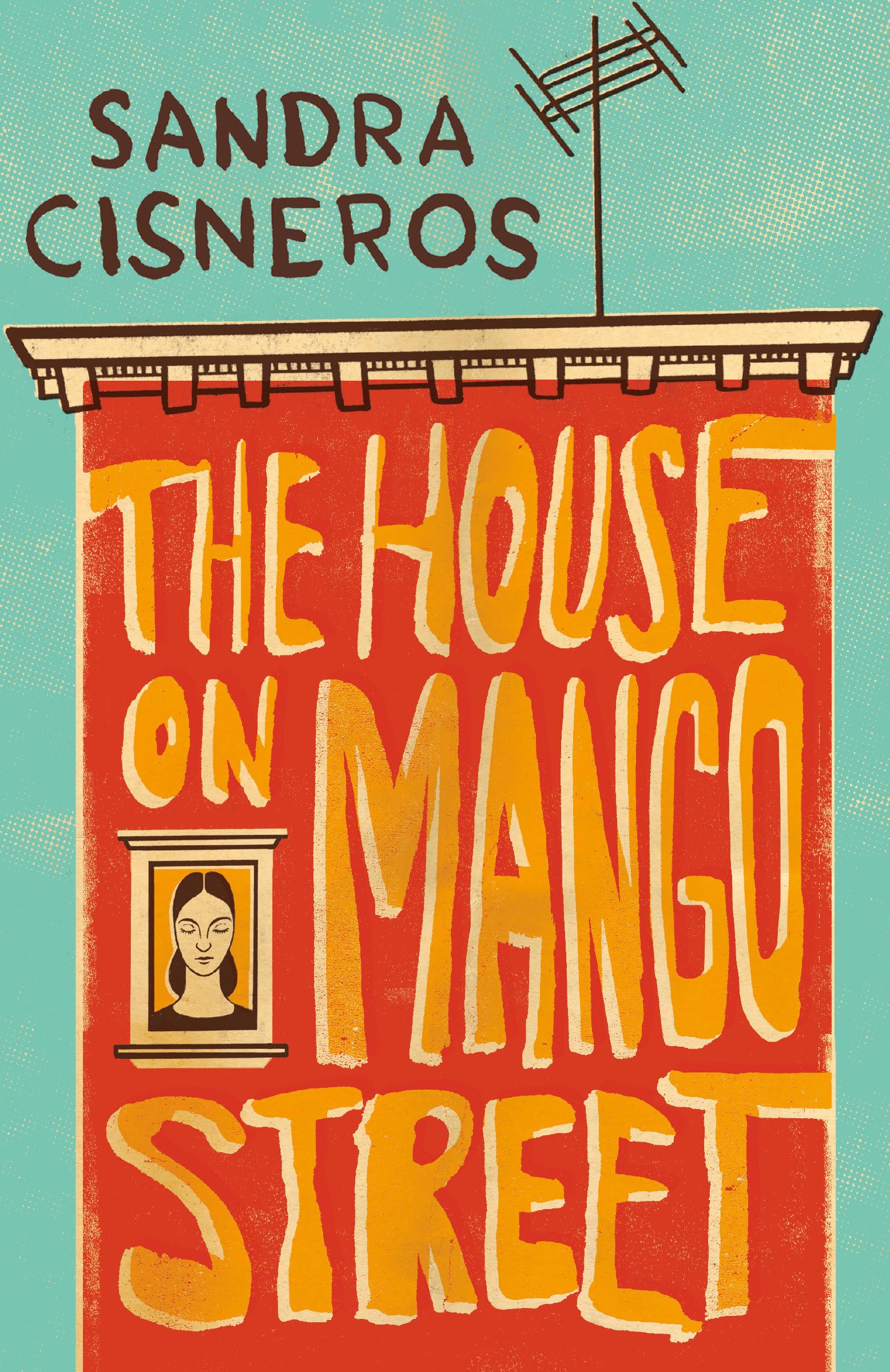
The book is widely taught for its accessible style and powerful representation of marginalized voices. Sandra Cisneros's The House on Mango Street has had a significant impact on literature and education, inspiring discussions about identity, culture, and gender. The novel holds particular significance for Mexican American and Chicana girls, as it authentically portrays their experiences, friendships, and coming-of-age in a Hispanic neighborhood. Various mango street covers across different editions visually reflect the themes of hope, struggle, and cultural identity, with their designs often symbolizing the journey and aspirations of Esperanza and her community.
Who Should Read The House on Mango Street
- Readers of coming-of-age fiction
- Students of multicultural literature
- Fans of poetic, vignette-style storytelling
Level up your reading with Peech
Boost your productivity and absorb knowledge faster than ever.
Start now