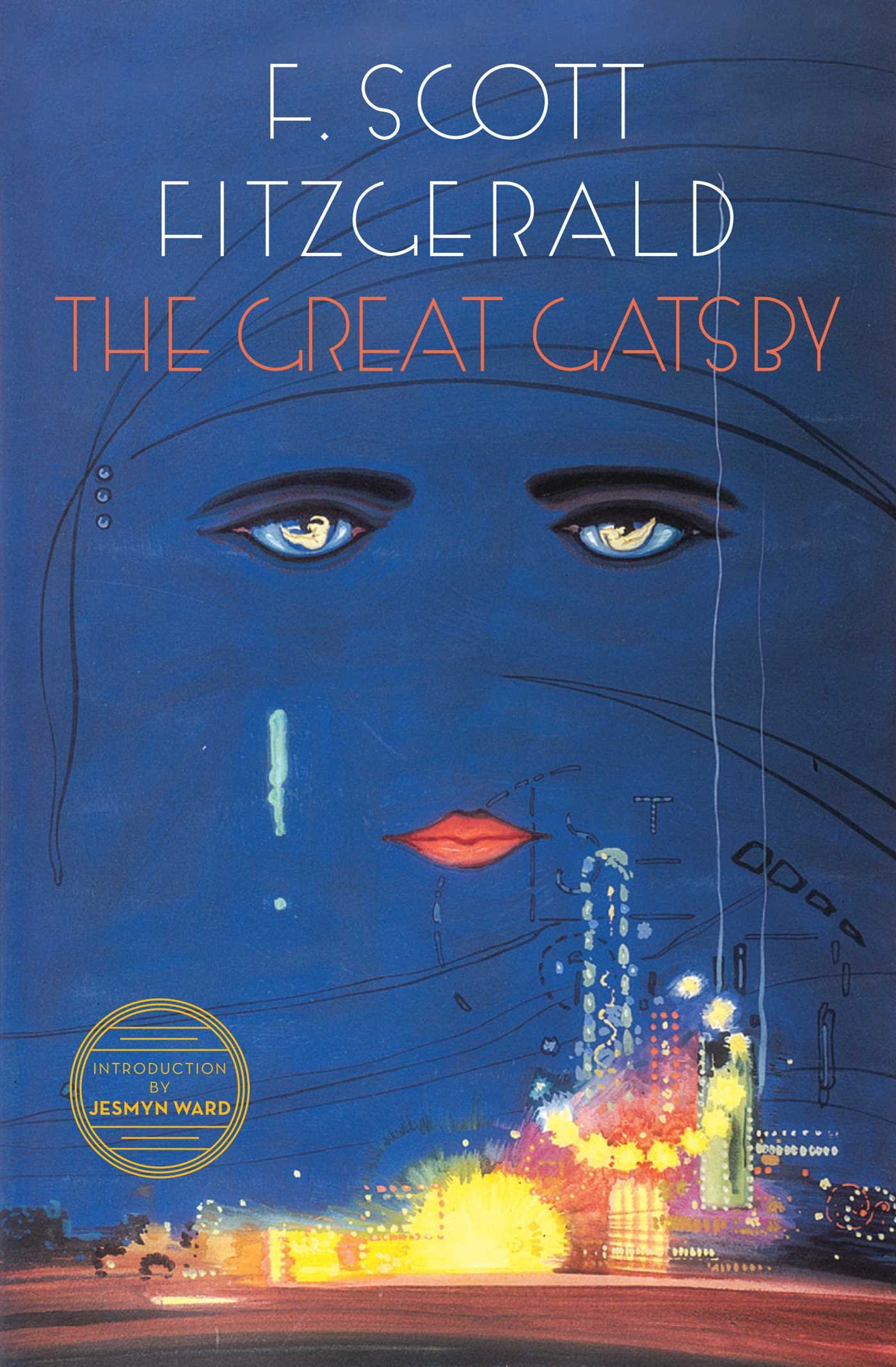
The Great Gatsby Summary
F. Scott Fitzgerald • Tragedy, Novel
The Great Gatsby by Scott Fitzgerald Summary: Book Characters and Analysis
The Great Gatsby by F. Scott Fitzgerald is a modernist American novel that explores illusion, desire, class, and the moral emptiness beneath the promise of the American Dream. Set during the Jazz Age of the 1920s, the novel captures a society intoxicated by wealth and status while quietly eroding from within.
This great gatsby summary provides an extended book summary, a detailed overview of the characters, and a literary analysis of The Great Gatsby, written with the same depth and narrative seriousness as The Epic of Gilgamesh and The Odyssey.
Introduction to the Novel
The Great Gatsby, penned by the celebrated American writer F. Scott Fitzgerald, stands as a defining portrait of the Jazz Age—a period of dazzling excess and profound change in the United States. The novel centers on Jay Gatsby, a charismatic and enigmatic millionaire whose lavish lifestyle in West Egg masks a singular obsession: rekindling his lost romance with Daisy Buchanan. Narrated by Nick Carraway, a young man from the Midwest who moves to Long Island in search of opportunity, the story unfolds against the backdrop of glittering parties, social rivalries, and the stark divide between old money in East Egg and the nouveau riche of West Egg. Through Nick’s eyes, readers are drawn into a world where dreams and reality blur, and the pursuit of the American Dream reveals both its allure and its emptiness. Fitzgerald’s masterpiece remains a timeless exploration of love, ambition, and the illusions that shape our lives.
Book Summary of The Great Gatsby by F. Scott Fitzgerald
The Great Gatsby is narrated by Nick Carraway, a young Midwesterner who moves to Long Island in the summer of 1922 to work in finance. Nick rents a modest house in West Egg, a community populated by newly wealthy Americans whose fortunes are often recent and morally ambiguous. Across the bay lies East Egg, home to old money, entrenched privilege, and rigid social hierarchy, separated from West Egg by the scenic Long Island Sound.
Nick’s neighbor is Jay Gatsby, a mysterious millionaire famous for hosting extravagant Gatsby's parties that attract hundreds of guests, most of whom he has never met. These parties, held at Gatsby's house—an impressive mansion with a poetic blue lawn—symbolize the excess and illusion of the Jazz Age. Despite the spectacle and the glow of carnival lights, Gatsby himself remains distant and solitary, observing rather than participating. Rumors swirl about his past—criminal activity, inherited wealth, secret identities—but no one truly knows him. Gatsby was born as James Gatz to a poor farming family and later reinvented himself as Jay Gatsby in pursuit of the American Dream.
Nick soon learns that Gatsby’s wealth and lifestyle are driven by a single obsession: Daisy Buchanan, Nick’s cousin and Gatsby’s former lover. Daisy, portrayed as a charming southern belle, is married to Tom Buchanan. Five years earlier, Gatsby and Daisy shared a brief but intense romance before Gatsby went to war. Daisy, constrained by class expectations and economic insecurity, married Tom, a wealthy, aggressive man whose privilege shields him from consequence. The relationship between Tom and Daisy illustrates the social class distinctions and moral decadence at the heart of the novel. Daisy, despite her feelings for Gatsby, also loved Tom, creating a complex love triangle.
Gatsby believes that wealth can erase time and restore the past exactly as it was. Gatsby's request is for Nick to arrange a reunion with Daisy, which Nick arranges and reluctantly agrees to. When Gatsby and Daisy reconnect, their relationship resumes, fueled by nostalgia and illusion rather than honest understanding. During their reunion, Gatsby reveals important details about his past to Nick and Daisy, hoping to win her back. Gatsby idealizes Daisy not as she is, but as a symbol of everything he believes success should grant him. This longing is symbolized by Gatsby gazing across the water at the green light at the end of Daisy's dock, representing Gatsby's dream of recreating the past with Daisy.
As the summer progresses, tensions escalate. Tom becomes suspicious of Gatsby and investigates his background, uncovering that Gatsby’s fortune was acquired through illegal activities tied to bootlegging. During a confrontation at the Plaza Hotel in New York City, Tom exposes Gatsby’s past and asserts his dominance, forcing Daisy to confront the reality that Gatsby can never truly belong to her world.
That same night, tragedy strikes. Daisy, driving Gatsby's car, accidentally kills Myrtle Wilson, who is involved in Myrtle's affair with Tom. Myrtle, desperate to escape her life and drawn to Tom as Myrtle's lover, is struck and killed. Gatsby takes responsibility for the accident to protect Daisy; Gatsby hopes this will rekindle their love. Tom, in turn, manipulates Myrtle’s husband George Wilson into believing Gatsby was both Myrtle’s lover and her killer. Consumed by grief and rage at Wilson's garage, Wilson murders Gatsby before taking his own life, marking the tragic climax as Gatsby's death.
In the aftermath, Gatsby’s wealth and social circle vanish. Nick arranges Gatsby’s funeral, discovering that almost no one who enjoyed Gatsby’s hospitality is willing to acknowledge him in death. Only Gatsby's father attends, highlighting Gatsby's humble origins and the respect he garners from his family. Disillusioned by the carelessness of the wealthy and their ability to escape consequences, Nick leaves the East Coast. Nick moves back to the Midwest, reflecting on what Nick sees as the moral decay and emptiness of the world he has witnessed.
Throughout the novel, Gatsby shows his wealth and mansion to impress Daisy, but ultimately, the green light at Daisy's dock and the end of Daisy's dock remain symbols of unattainable dreams and lost illusions. The story explores what makes Gatsby Great—his ambition, hope, and tragic flaws—while questioning the true nature of greatness. Fitzgerald wrote the novel as a critique of the American Dream, using rich symbolism and evocative imagery to capture the spirit of the era.
Main Characters in The Great Gatsby
Jay Gatsby
A self-made millionaire driven by idealism and longing. Gatsby believes that wealth can rewrite the past and grant him love, status, and belonging. His tragedy lies not in ambition, but in mistaking illusion for reality.
Nick Carraway
The narrator and moral observer of the story. Nick is both participant and witness, gradually losing his faith in the values of wealth, success, and social sophistication.
Daisy Buchanan
Gatsby’s love interest and Nick’s cousin. Charming and emotionally shallow, Daisy represents beauty shaped by privilege and fear. She desires security more than truth.
Tom Buchanan
Daisy’s husband. Arrogant, violent, and entitled, Tom embodies inherited wealth and moral carelessness. He exercises power without accountability.
Myrtle Wilson
Tom’s mistress. Myrtle’s desire to escape her social class ultimately leads to her destruction.
George Wilson
Myrtle’s husband. A tragic figure whose desperation and manipulation culminate in violence.
Character Relationships in The Great Gatsby
The intricate relationships in The Great Gatsby form the emotional core of the novel, driving its drama and deepening its themes. At the heart of the story is the ill-fated love between Gatsby and Daisy Buchanan—a passion that endures despite years of separation and Daisy’s marriage to Tom Buchanan. Gatsby’s relentless quest to win Daisy back is both romantic and tragic, revealing the power of longing and the impossibility of recapturing the past.
Nick Carraway, as both confidant and observer, is drawn into the tangled affairs of his cousin Daisy and his enigmatic neighbor Gatsby. His friendship with Gatsby is marked by admiration and growing disillusionment, while his loyalty to Daisy creates internal conflict as he witnesses the unraveling of their relationships.
Jordan Baker, a professional golfer and Nick’s romantic interest, embodies the modern, independent woman of the 1920s. Her relationship with Nick is marked by cynicism and detachment, reflecting the shifting social norms of the Jazz Age.
Meanwhile, Tom Buchanan’s affair with Myrtle Wilson and his domineering presence highlight the moral decay at the heart of the elite. George Wilson, Myrtle’s husband, stands in stark contrast to the wealthy characters, his desperation and heartbreak underscoring the novel’s exploration of class and the destructive power of desire. Through these interconnected relationships, Fitzgerald exposes the fragility of love and the corrosive effects of wealth and ambition.
Analysis of The Great Gatsby by F. Scott Fitzgerald
Major Themes
The American Dream
The novel critiques the idea that success and happiness are attainable through wealth alone. Gatsby achieves material success but remains excluded from true belonging.
Illusion vs. Reality
Characters construct identities and fantasies to escape dissatisfaction. Gatsby’s dream collapses because it is based on an imagined past, not lived truth.
Class and Social Division
The divide between old money and new money proves insurmountable. Wealth alone cannot erase social boundaries.
Moral Carelessness
Fitzgerald portrays the elite as insulated from consequence, leaving destruction behind without responsibility.
Symbolism and Literary Devices
- The Green Light represents longing, hope, and unattainable desire.
- The Valley of Ashes symbolizes moral decay beneath economic prosperity.
- Eyes of Doctor T. J. Eckleburg suggest judgment and spiritual emptiness.
- First-person narration allows moral distance while exposing gradual disillusionment.
Fitzgerald’s lyrical prose combines restraint and symbolism, creating emotional power through suggestion rather than direct commentary.
Social Commentary in The Great Gatsby
The Great Gatsby is more than a tale of love and loss; it is a sharp critique of the social realities of the 1920s. Fitzgerald uses the glittering world of Gatsby’s parties and the opulent mansions of West Egg and East Egg to expose the emptiness at the heart of the American Dream. The novel’s characters, from the ruthless Tom Buchanan to the striving Gatsby, embody the era’s obsession with status and material success, yet their lives are marked by dissatisfaction and moral ambiguity.
The stark contrast between the privileged elite and the struggling working class is vividly illustrated by the Valley of Ashes—a desolate wasteland that serves as a grim reminder of the cost of unchecked ambition. Tom Buchanan’s prejudices and sense of entitlement reveal the darker side of old money, while Gatsby’s rise and fall highlight the illusion of social mobility. Through his portrayal of the Jazz Age, Fitzgerald delivers a cautionary tale about the dangers of excess, the persistence of class divisions, and the ultimate hollowness of a dream built on illusion.
Author Background and Historical Context
F. Scott Fitzgerald was a central figure of the Jazz Age. Writing in the aftermath of World War I, he captured the contradictions of a society obsessed with pleasure yet hollowed by materialism and disillusionment.
Fitzgerald wrote 'The Great Gatsby' as a profound exploration of American culture and the American Dream, showcasing his literary mastery through rich symbolism and a distinctive writing style.
Literary Significance of The Great Gatsby
The Great Gatsby has earned its place as a cornerstone of American literature, celebrated for both its stylistic brilliance and its profound exploration of universal themes. Fitzgerald’s lyrical prose and masterful use of symbolism—such as the green light at the end of Daisy’s dock and the haunting eyes of Doctor T. J. Eckleburg—create a richly layered narrative that continues to captivate readers.
The novel’s enduring relevance is reflected in its numerous adaptations, including the iconic 1974 film starring Robert Redford and the visually stunning 2013 version with Leonardo DiCaprio and Carey Mulligan. Its influence extends to writers like Ernest Hemingway and critics such as Edmund Wilson, who recognized the novel’s unique place in the canon of American fiction.
By dissecting the allure and pitfalls of the American Dream, the social dynamics of West Egg and East Egg, and the complexities of love and ambition, The Great Gatsby continues to inspire and challenge new generations. Fitzgerald’s masterpiece remains a touchstone for understanding the Roaring Twenties, the rise and fall of dreams, and the enduring quest for meaning in American life.
The Great Gatsby: Impact and Legacy
Initially underappreciated, The Great Gatsby is now regarded as one of the greatest American novels. Its critique of wealth, ambition, and moral decay continues to resonate across generations.
Who Should Read The Great Gatsby by F. Scott Fitzgerald
- Readers interested in classic American literature
- Students studying modernism and social critique
- Those exploring illusion, ambition, and identity
- Anyone examining the promises and failures of the American Dream
Level up your reading with Peech
Boost your productivity and absorb knowledge faster than ever.
Start now