A Raisin in the Sun Summary
Lorraine Hansberry • Domestic drama
A Raisin in the Sun by Lorraine Hansberry Summary: Book Characters, and Analysis
A Raisin in the Sun by Lorraine Hansberry is a groundbreaking American drama that explores race, dignity, generational conflict, and the meaning of dreams in a society structured by inequality. First performed in 1959, the play centers on an African American family in Chicago as they confront the possibilities—and limits—of social mobility. A Raisin in the Sun was the first play written by an African American woman to be produced on Broadway, marking a historic moment in American theatre.
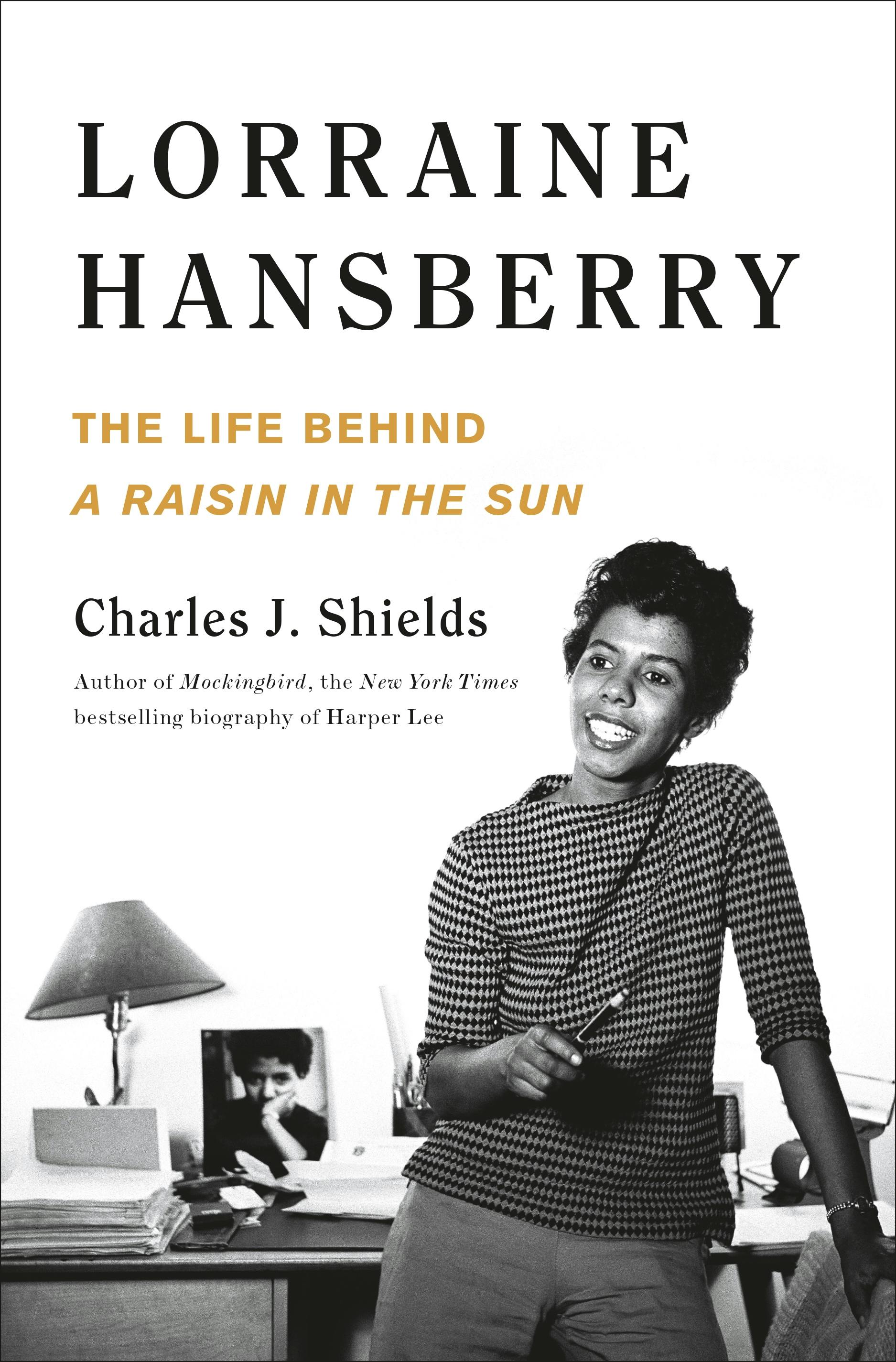
This article provides an extended book summary, a detailed overview of the characters, and a literary analysis of A Raisin in the Sun. Lorraine Hansberry's A Raisin in the Sun draws inspiration from the Hansberry family's own experiences with housing discrimination, reflecting real-life struggles with racism and legal battles. Lorraine Hansberry, who wrote this influential work, tragically died at a young age from pancreatic cancer, but her legacy endures through the play's impact on civil rights and American literature.
Introduction to the Play
“A Raisin in the Sun” is a landmark play written by Lorraine Hansberry that delves into the hopes and struggles of the Younger family, an African American family living on Chicago’s South Side. The play begins with the family anxiously awaiting a $10,000 insurance check following the death of Walter Younger Sr. This windfall becomes a symbol of possibility and a source of tension, as each family member envisions a different path to a better life. Lena Younger, known as Mama, dreams of moving her family out of their cramped apartment, while her son Walter Lee Younger sees the money as a chance to invest in a liquor store and transform their fortunes. Ruth Younger, Walter’s wife, longs for stability and a brighter future for their son, Travis Younger. Meanwhile, Beneatha Younger, Walter’s sister, aspires to become a doctor and seeks to define her identity beyond traditional expectations.
The title “A Raisin in the Sun” is inspired by a Langston Hughes poem that questions what happens to a dream deferred, echoing the family’s struggle to achieve their dreams in the face of racial prejudice and economic hardship. Through the experiences of the Younger family, Hansberry’s play explores the complexities of ambition, identity, and resilience in a society marked by inequality.
Book Summary of A Raisin in the Sun
The play opens in a cramped apartment on Chicago’s South Side, where the Younger family lives amid poverty, racial discrimination, and deferred dreams. The setting is marked by worn furnishings, including a tired living room sofa, highlighting the family’s limited means. The family’s circumstances are about to change: they are awaiting a $10,000 life insurance check following the death of Big Walter, the family patriarch. Each family member views the money as a chance to finally pursue a long-suppressed dream. Travis, the youngest, helps support the household by carrying grocery bags for neighbors and earning small amounts of money, reflecting the daily routines and responsibilities of the family members.
The play tells the story of how several events test the family members’ resilience and unity. Lena Younger, known as Mama, is the moral center of the household. She dreams of owning a home with a small garden—a symbol of stability, pride, and generational progress. Her son Walter Lee Younger envisions using the money to invest in a liquor store, believing financial success will restore his sense of masculinity and self-worth. Walter’s wife, Ruth, hopes simply for a better life for their young son, Travis, and relief from emotional and physical exhaustion.
Tensions escalate as the family debates how the money should be used. Walter feels dismissed and emasculated, while Mama worries that his plan prioritizes wealth over values. Mama’s decision to buy a house in Clybourne Park, a predominantly white neighborhood, marks a pivotal moment—Mama puts a down payment on the house, creating both hope and fear. The purchase represents a direct challenge to racial segregation and an assertion of dignity in the face of exclusion. Mama realizes that her family’s dreams and unity are more important than material gain.
Meanwhile, Beneatha Younger, Walter’s sister, pursues her dream of becoming a doctor. Her ambition defies traditional gender expectations, and she struggles with questions of identity, assimilation, and heritage. Her relationships with George Murchison, who represents material success and assimilation, and Joseph Asagai, who encourages cultural pride and political awareness, reflect her internal conflict.
The family’s fragile optimism collapses when Walter loses the remaining money after entrusting it to a friend, who promptly disappears with it. The loss devastates the family, threatening not only their financial future but their sense of purpose and unity. In the aftermath, a representative of the white family neighborhood association, Mr. Lindner, offers the Youngers money to stay out of Clybourne Park. The family refuses Lindner's offer, choosing dignity over submission.
In the end, the family decides to move into their new neighborhood, a middle class neighborhood, despite the uncertainty and hostility awaiting them. The play closes with the Youngers leaving their apartment, united in their resolve to pursue a better future.
Main Characters in A Raisin in the Sun
Lena Younger (Mama)
The family’s moral anchor. Mama values faith, hard work, and dignity. Her dream of homeownership represents generational continuity and hope grounded in principle.
Walter Lee Younger
A frustrated and ambitious man struggling against systemic barriers. Walter’s arc traces the danger of equating self-worth with financial success and the redemptive power of moral choice.
Ruth Younger
Walter’s wife. Practical and emotionally resilient, Ruth embodies quiet endurance. Her dreams are modest but deeply human: stability, peace, and opportunity for her child.
Beneatha Younger
An idealistic and intellectually driven young woman. Beneatha challenges traditional roles and explores questions of cultural identity, gender, and self-definition.
Travis Younger
The family’s child. Travis represents the future and the stakes of the adults’ decisions.
Analysis of A Raisin in the Sun
Major Themes
Dreams and Deferred Hope
The title, drawn from Langston Hughes’s poem, asks what happens when dreams are postponed by systemic oppression. The play argues that deferred dreams do not disappear—they strain, reshape, or explode.
Race and Housing Segregation
Hansberry exposes how racism operates through policy and social pressure rather than overt violence alone. The home becomes a site of resistance.
Masculinity and Self-Worth
Walter’s struggle reveals how economic exclusion distorts identity and ambition, particularly within rigid gender expectations. His pursuit of the liquor store venture is central to this, as it represents his attempt to assert his masculinity and achieve financial independence in the face of limited opportunities.
Family and Collective Survival
Despite conflict, the Younger family’s strength lies in unity. Survival is portrayed as communal rather than individual.
Beneatha, in particular, seeks independence through her ambition to practice medicine, aiming to become a doctor and help others. Her relationship with Joseph Asagai, a Nigerian student, encourages her to explore her African heritage, which deepens her sense of self and influences her family’s understanding of their cultural identity.
Symbolism and Literary Devices
- The insurance check symbolizes both opportunity and conflict
- The new house represents dignity, risk, and progress
- Mama’s plant reflects fragile hope and perseverance
- The cramped apartment underscores limitation and pressure
- Dialogue-driven realism grounds social critique in lived experience
Hansberry’s naturalistic style allows ideological tensions to emerge organically through character interaction.
Obstacles and Challenges
Throughout “A Raisin in the Sun,” the Younger family confronts a series of obstacles that threaten to derail their dreams. Financial hardship is a constant presence, with limited resources making it difficult for the family to move forward. Walter Lee Younger is determined to change their circumstances by investing in a liquor store, believing it will secure a better life for everyone. However, his hopes are dashed when he loses the insurance money to a dishonest business partner, putting the family’s future in jeopardy.
Beneatha Younger faces her own challenges as she pursues her goal of attending medical school, struggling to find the means to pay for her education and to assert her independence in a world with rigid expectations. The family’s decision to buy a house in Clybourne Park, an all-white neighborhood, brings them face-to-face with racial segregation and hostility. The Clybourne Park Improvement Association, represented by Karl Lindner, offers the Youngers money to abandon their move, hoping to keep the neighborhood segregated. Despite these pressures, Mama’s decision to use the insurance money for a down payment on the house becomes a powerful act of resistance.
The Younger family’s journey is marked by setbacks and difficult choices, but their determination to overcome these challenges and pursue their dream of a better life remains at the heart of Lorraine Hansberry’s “A Raisin in the Sun.”
Author Background and Historical Context
Lorraine Hansberry was the first Black woman to have a play produced on Broadway, and A Raisin in the Sun was also the first Broadway production directed by a Black director. Drawing from her own family’s experience with housing discrimination on Chicago's South Side, she wrote A Raisin in the Sun during the early civil rights movement, embedding political urgency within intimate family drama. The Hansberry family won a landmark Supreme Court case after facing racist eviction attempts when moving into a white neighborhood, a real-life victory that inspired the play’s themes. The play’s focus on housing discrimination connects directly to later legal progress, such as the Civil Rights Act of 1968, which aimed to address racial inequalities in housing.
A Raisin in the Sun: Impact and Legacy
The play transformed American theater by centering Black family life with complexity and dignity. It remains a foundational text in discussions of race, housing, and the American Dream.
Who Should Read A Raisin in the Sun by Lorraine Hansberry
- Readers interested in American drama
- Students studying race and social justice
- Those exploring family dynamics under pressure
- Readers examining the meaning of the American Dream
Level up your reading with Peech
Boost your productivity and absorb knowledge faster than ever.
Start now